The construction industry is continually looking for ways to reduce carbon emissions and complete projects following different sustainable construction solutions. The foundations for buildings and different structures is just one aspect that can have a significant impact on a project’s environmental footprint.
While there have been improvements with low-carbon concrete and the use of modular buildings over traditional brick-and-mortar, project managers and leaders who are really looking to support circular economy construction can choose reusable foundation systems. The Jackpad® system is a reusable foundation alternative to concrete, helping to lower a project’s carbon footprint as well as provide a handful of other advantages.
This blog explains how the Jackpad® system is the prime alternative to traditional foundations for modular buildings and how it benefits the environment.
Why Reducing Carbon Matters in Construction
The UK has a target to ensure that the net UK carbon account for the year 2050 is at least 100% lower than the 1990 baseline. Many other organisations are supporting this aim, due to the increasing demand for sustainable building practices.
The UNEP’s 2025-2026 Global Status Report for Buildings and Construction found that, despite decades of progress, the construction sector accounts for 37% of global emissions and nearly 50% of global material extraction.
We know all about sustainability here at Jackpad®, which is why our reusable foundation systems are paving the way to reducing embodied carbon throughout a project’s lifecycle.
The Environmental Impact of Traditional Concrete Foundations
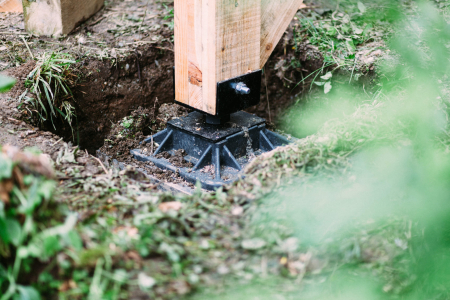
Traditional concrete foundations can add significantly to a project’s embodied carbon. Cement production is carbon intensive, while installation can require excavation, and additional plant and material transport.
Concrete foundations can also create challenges on temporary projects. Removing permanent foundations can generate waste, require further excavation and increase disposal or recycling requirements.
Compared to concrete, Jackpad® offers a foundation system that can be removed and used again, helping to reduce reliance on permanent concrete foundations for modular builds and temporary projects, and support more low carbon construction.
How Reusable Foundation Systems Reduce Carbon Emissions
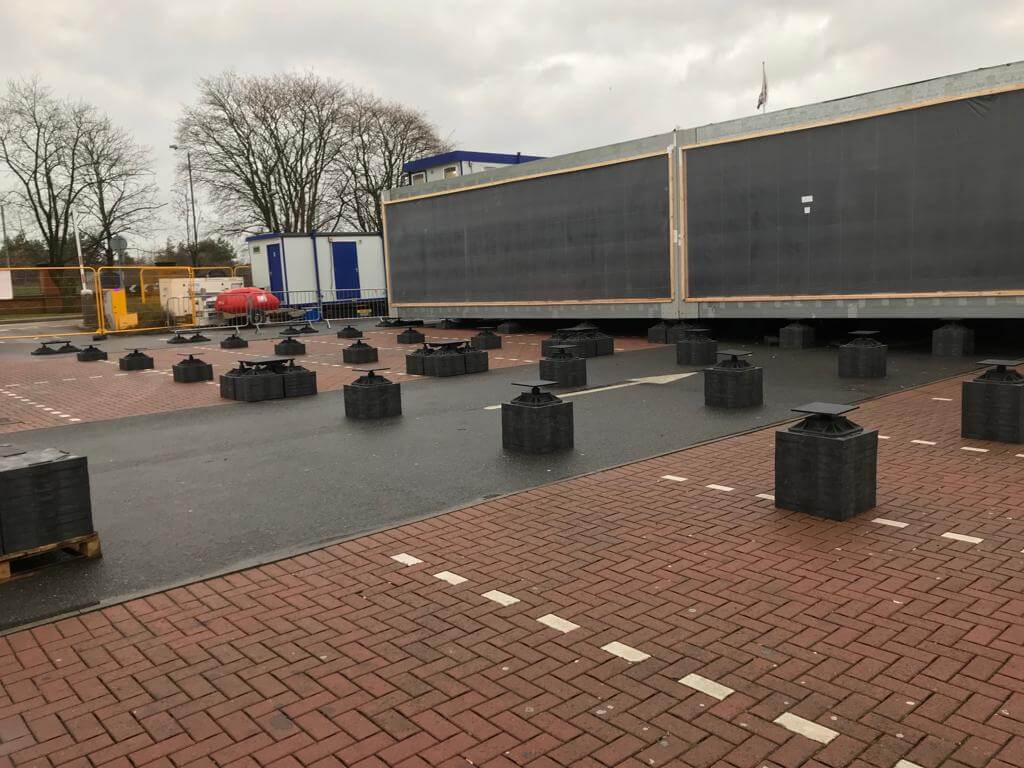
Reusable foundation systems can help reduce embodied carbon by limiting the materials, excavation and machinery required during installation. Jackpad® provides structural support for modular and portable buildings without relying on traditional concrete foundations, helping to reduce site disruption and the environmental impact associated with groundworks.
The system also supports a more circular approach to construction through:
- Reduced concrete use: Less reliance on carbon-intensive concrete foundations.
- Made from recycled materials: Each foundation pad is made from recycled plastics and metals and are fully recyclable at the end of their usable life, helping to reduce waste.
- Minimal excavation: Fewer groundworks can mean less machinery and disruption on site.
- Efficient transportation: Lightweight yet strong components can help reduce transport requirements, further reducing overall emissions.
- Repeated use: Jackpad® foundations can be removed and reused across multiple projects rather than treated as a single-use foundation.
Discover the certifications that make Jackpad® truly green. By keeping materials in use for longer and reducing reliance on permanent foundations, Jackpad® helps construction businesses minimise environmental impact and work towards their sustainability objectives without compromising structural performance for modular buildings.
Additional Environmental Benefits Beyond Carbon Reduction
The Jackpad® foundations provide modular construction projects with multiple benefits and deliver far better sustainable construction solutions compared to traditional foundations.
- Reduced site disturbance: Each pad is configured and positioned quickly rather than you having to wait for concrete pouring and curing.
- Minimal impact on surrounding landscapes: With less excavation and fewer invasive groundworks required, Jackpad® can help preserve the surrounding ground and landscape.
- Easier site restoration: The system can be removed when it is no longer needed, making it easier to return the site to its previous condition after a temporary project.
- Less construction waste: By avoiding many of the materials and processes associated with traditional foundations, Jackpad® can help reduce the amount of waste generated on site.
- Suitable for temporary and permanent buildings: Jackpad® can provide structural support for both temporary and permanent modular buildings, giving projects a more flexible foundation solution.
Sustainable Foundations Across Multiple Sectors
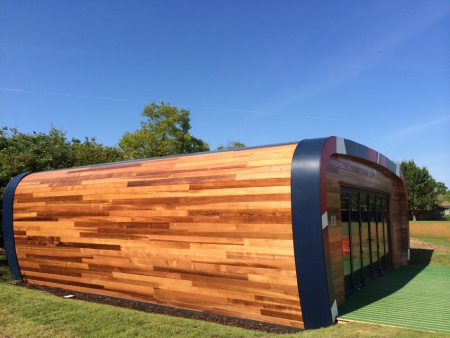
Many different sectors across the UK and Europe are looking for better sustainable construction solutions. These sectors also see the advantages of using modular and portable buildings, whether temporary or permanent, over traditional and carbon-intensive methods.
The education sector is using our reusable foundation systems to support modular classrooms, sports halls and other needed facilities, without costly and disruptive alterations to existing grounds and premises.
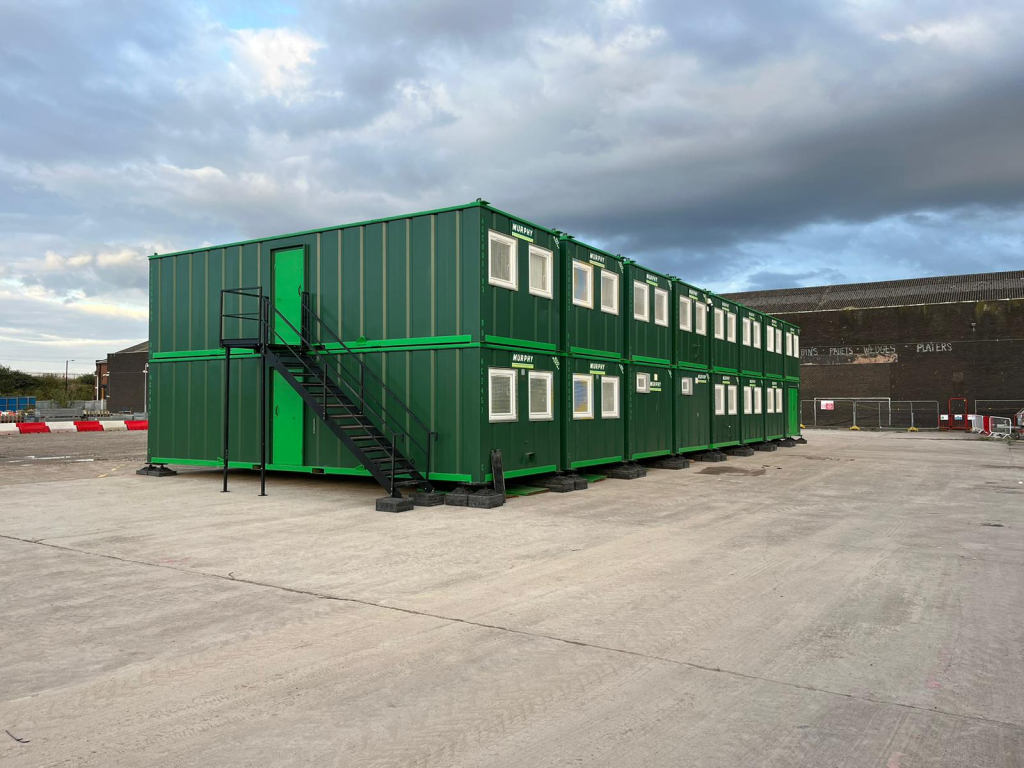
Construction sites are benefiting from reusable foundations for portable offices, toilet facilities and other types of site accommodation. The Jackpad® foundations can simply be relocated and reused along with the buildings, supporting both temporary and large-scale projects.
Whether it’s healthcare, retail, construction, education or events, these sectors can all support circular economy construction with our reusable foundations, and benefit from far more efficient and flexible project delivery.
Why Jackpad Is Supporting Greener Construction
Jackpad® combines sustainability with proven structural performance. The three-part system is manufactured from recycled plastic and metal, while the system is designed to be restored and reused across multiple projects, reducing waste and providing long-term value.
The system can support modular buildings up to three storeys and has been independently tested for strength and structural performance. By reducing the need for concrete, extensive groundworks and single-use foundations, Jackpad® can help businesses lower their environmental impact while also reducing costs associated with installation, removal and replacement foundations.
Build a Lower Carbon Future with Jackpad
Don’t settle for carbon-intensive concrete for modular building foundations. From the transport requirements, curing times, inability to be reusable and the extensive site disruption it can cause, choosing reusable foundation systems is the best way to support more sustainable construction.
If you’re looking to reduce the carbon footprint of your next modular or temporary construction project, contact Jackpad® to discover the more efficient, cost-effective and greener way to support both temporary and permanent modular structures. Send your project details to enquires@jackpad.co.uk or call us on 0116 286 6966.