It’s often assumed that permanent modular buildings require permanent foundations like concrete. The Jackpad® system is a non-invasive foundation that can be used for both permanent and temporary modular buildings, and has supported a diverse range of projects for 25 years.
We’re here to explain how the Jackpad® foundations can be the ideal alternative for your permanent modular buildings, and some of the key benefits they offer over concrete.
What Do We Mean by a “Permanent Installation”?
Modular buildings can be in situ both on a temporary and permanent basis. Permanent refers to the modular building’s intended lifespan and occupancy, so a permanent modular building would likely be intended to be used for decades, and are popular for adding cost-effective facilities across a wide range of sectors.
However, one of the big benefits of a modular building is that they are also ideal for temporary use. The construction sector, for example, can utilise them for site offices and storage, and once the main site project is complete, the modular buildings can easily be removed and reused elsewhere.
If a modular building is intended to be used on a permanent basis, planning permission applies, but there is now an alternative option available for the permanent foundations.

Is Jackpad Suitable for Permanent Buildings?
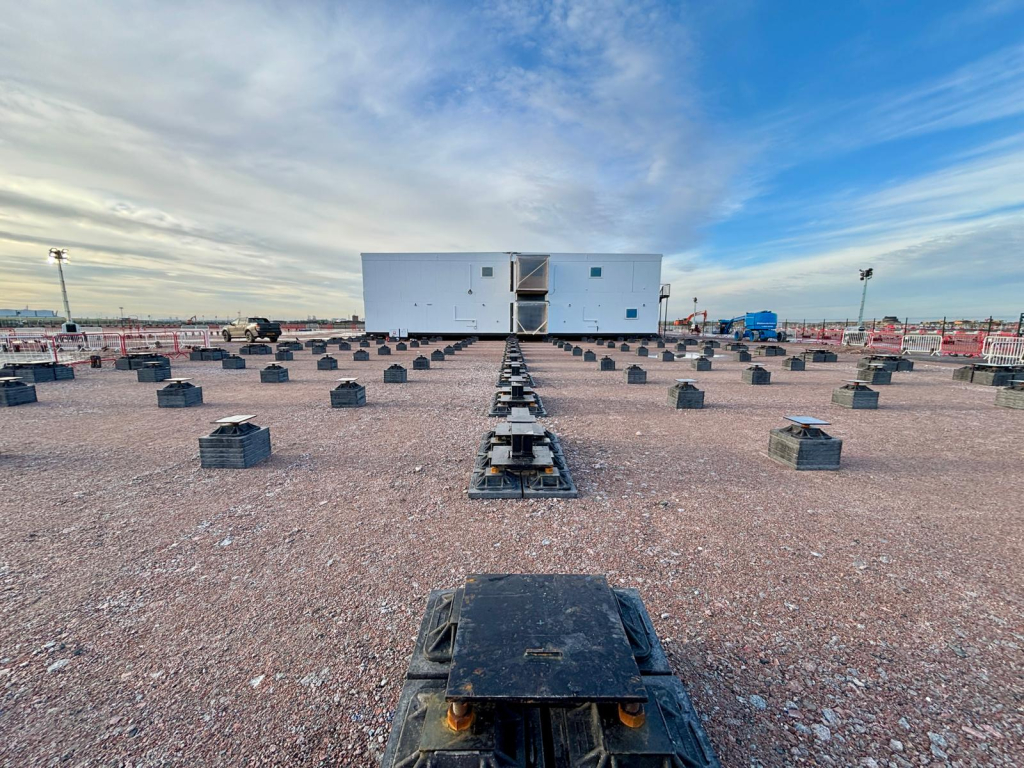
This permanent foundation alternative is the Jackpad® system. Made in the UK from recycled plastic and metal, it is designed for both temporary and permanent modular building projects. So, if you intend to occupy a modular building for the long term, the Jackpad® system is more than capable.
Jackpad® permanent foundations have been used for over 25 years. To ensure the correct number of units are used and distribute the weight of the modular structure safely, structural calculations will be assessed and a site survey will be performed.
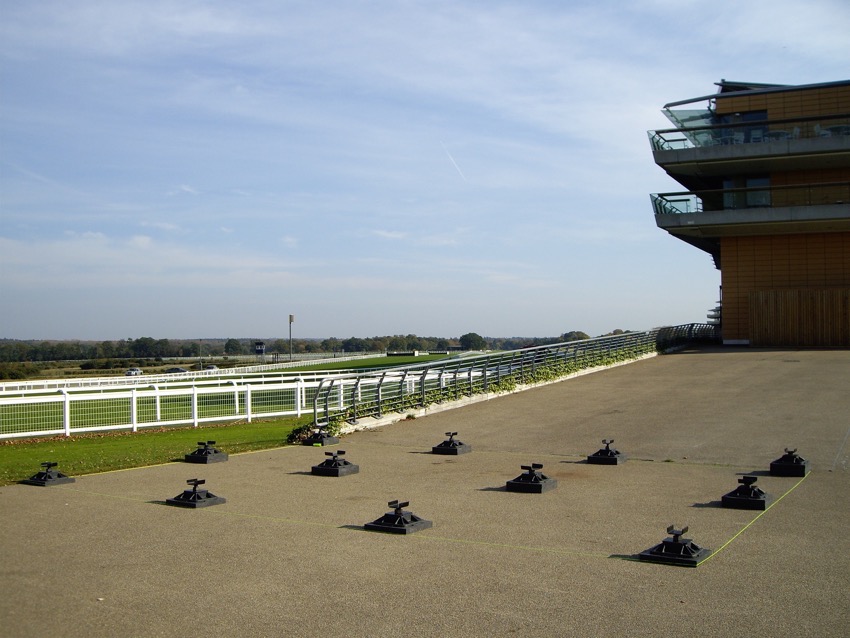
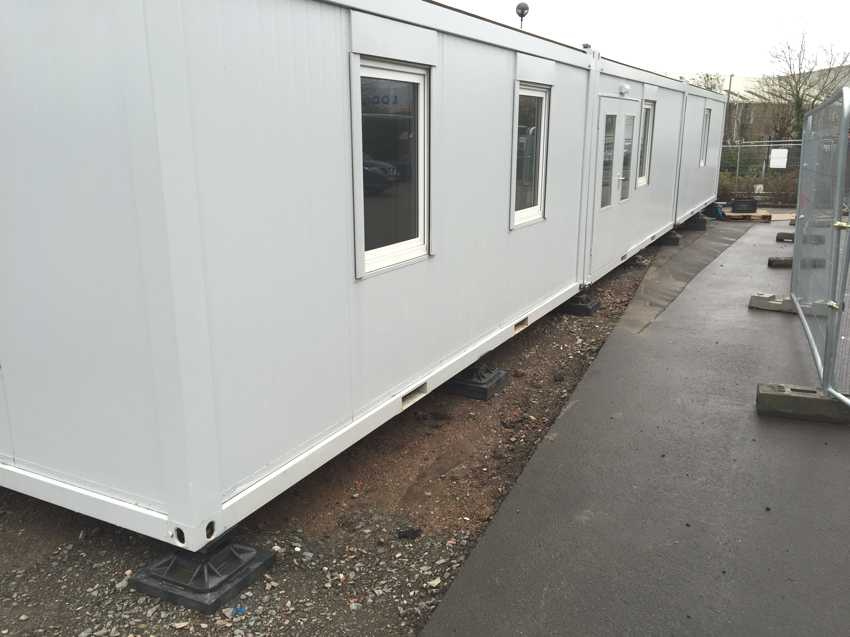
The Jackpad® foundation pads can be used for permanent modular buildings located on most surfaces and uneven or sloping ground. This means extensive groundworks and pouring of concrete can be completely avoided, even if you intend to use the modular building for several years or decades.
Jackpad® foundations can support many different modular building designs and configurations, including up to three-storey structures depending on the building’s load and the ground-bearing capacity.
But, if you need a foundation system for a temporary modular structure as well, without the need for concrete, the Jackpad® system is ideal, offering the flexibility to be removed and reused, supporting sustainability and circular building practices.
Why Clients Choose Jackpad Instead of Concrete
Faster installation
You know that pouring concrete takes time, and letting it fully cure only increases project timelines. Rather than waiting weeks to fully cure, installing Jackpad® foundations on site can be done in a matter of hours for many projects. Pair this with the fast build times of modular buildings, permanent modular structures can be installed and ready to use in no time.
Minimal groundworks
The tried and tested design of Jackpad® foundation units means they can be adjusted to adapt to uneven ground and be positioned on most surfaces. As long as there is suitable ground-bearing capacity, groundworks can be kept to a minimum with little or no need for further remedial work.
Less disruption
Thanks to minimal groundworks and no need for pouring concrete, many different sectors can benefit from less disruption by using the Jackpad® system for permanent foundations. Occupied sites like schools and hospitals can benefit from having Jackpad® units installed in any sort of weather, and under ideal circumstances, the foundations and the modular sections can be installed on the same day.
Sustainability
One of the biggest advantages of using the Jackpad® units for permanent installations is the sustainable benefits they offer over traditional concrete. They are manufactured from recycled materials in the UK and can be installed for as long as the modular structure is in use, which can span 10+ years. Additionally, Jackpad® foundations are designed to be reused at the end of the modular building’s lifecycle, and can be relocated along with modular structures if they need to be relocated or adapted.
Lower whole-life costs
Modular construction is popular because it’s often much more affordable overall compared to traditional construction methods. The same can be said for the Jackpad® permanent foundations, as they support a lower whole-life cost for the entire project. In most circumstances, using the Jackpad® units removes the need for excavation, extensive groundworks and pouring of concrete, all of which takes time and high labour expenses.
Does Permanent Mean Non-Removable?
Even though a modular building is classed as permanent, it doesn’t mean that it can’t be removed or relocated even after years of usage. The same can be said for permanent foundations. Using the Jackpad® system, many projects for schools, NHS sites and commercial developments can benefit from a system that can remain in situ for the long term, while retaining the option to relocate if requirements change. This also supports projects undergoing phased construction, with the foundation pads being the ideal solution for temporary installations while other developments are being completed in the meantime.
Factors That Determine Whether Jackpad Is Suitable
Ground bearing capacity
Ground bearing capacity is one of the most important factors when assessing whether Jackpad® foundations are suitable for a modular building project. The strength and stability of the ground determine how effectively loads can be distributed. Weak or uneven ground may require additional engineering considerations to ensure the foundation performs safely and reliably.
Building loads
The weight of the modular building and the loads it will carry play a key role in selecting the appropriate Jackpad® configuration. Different systems are designed to support different safe working loads, making it essential to match the foundation design to the specific structural and operational requirements of the project.
Building size
The Jackpad® system can be used to support a wide range of modular building sizes, from single-storey units to larger double or triple-storey structures. The overall footprint, layout and height of the building all influence the foundation design, helping ensure adequate support, stability and long-term performance.
Site survey
Every site presents unique ground conditions and project requirements, which is why our team provides site surveys. By assessing factors like site access, levelling and ensuring the foundations will work on site, we can recommend the right foundation solution that meets both performance and safety standards. We’ll also outline whether it will be best to hire or buy the Jackpad® foundations and explain the advantages of both options.
Common Projects That Use Jackpad Long-Term
Since 2000, the Jackpad® foundations have been used for a diverse range of modular projects across a plethora of sectors. Schools have used them for the foundations for modular classrooms, and construction sites have benefited from using them for modular storage and office buildings on a temporary basis. Our case studies also show examples of the healthcare sector utilising them for modular bays in hospitals. Many projects have remained in service for years, while others have benefited from our non-invasive foundations for more short-term needs.

Frequently Asked Questions
Can a removable foundation still be considered permanent?
A foundation can support a permanent building even if it is removable. “Permanent” refers to the building’s intended lifespan and use, not whether the foundation can be dismantled. Jackpad® is engineered for long-term structural support on suitable sites while offering the flexibility to relocate buildings if required.
Does Building Control accept Jackpad?
Jackpad® foundations have been used on permanent modular building projects across the UK. Building Control approval depends on the overall project design, with structural calculations, engineering assessments, ground conditions and building loads all considered. We perform site surveys to ensure our foundation system is compliant with relevant standards.
Is Jackpad as strong as concrete?
Jackpad® units are engineered to safely support the required loads of modular buildings when correctly specified. Rather than replacing concrete in every application, the system provides a proven alternative for suitable projects. The right solution depends on factors including building load, ground-bearing capacity and site conditions.
How long can Jackpad remain installed?
Jackpad® non-invasive foundations are designed for both temporary and long-term modular building installations. When correctly specified and installed, there is no predefined maximum installation period. Many Jackpad® supported buildings remain in service for years.
Can Jackpad be reused after a permanent installation?
This is one of the biggest benefits of the Jackpad® system. The foundations can be removed and reused on future projects where appropriate, helping reduce material waste and whole-life project costs. This flexibility allows both the building and foundation system to be relocated if needed. Each Jackpad® is inspected before being reused.
Jackpad: A Proven Solution for Permanent Installations
Jackpad® can be used for permanent modular installations when the project’s engineering requirements, building loads and ground conditions are suitable. As a proven alternative to traditional concrete foundations, it offers greater flexibility, improved sustainability and cost savings throughout the building’s lifecycle.
If you’re planning a modular project, contact Jackpad® to discuss your requirements and receive expert, project-specific advice on the most suitable foundation solution. Call us on 0116 286 6966 or send your details to enquiries@jackpad.co.uk.