Why Certifications Matter in Sustainable Construction
All types of construction takes its toll on the environment. This is why more developers are looking for the most sustainable solutions to use throughout projects, from the foundations to the final finish.
In this blog post, we’re focusing on the foundations for construction, or more specifically, green alternatives to concrete foundations and the certifications that make them the ideal choice.
It may be all well and good to find a sustainable alternative to concrete, but certifications still matter. These are actual proof of the quality of the product, not a mere marketing claim. Certifications for construction foundations also ensure compliance and mean they are a proven, safe system. Developers and designers are also consistently looking for certifications that highlight sustainability, and we’re here to detail them.
5 Certifications & Standards That Define Green Foundations
1. LABC (Local Authority Building Control) Registered Details
LABC stands for Local Authority Building Control. This membership organisation represents over 3,000 local council building control professionals across England and Wales, with the goal of developing the standards of building regulations professionals must follow.
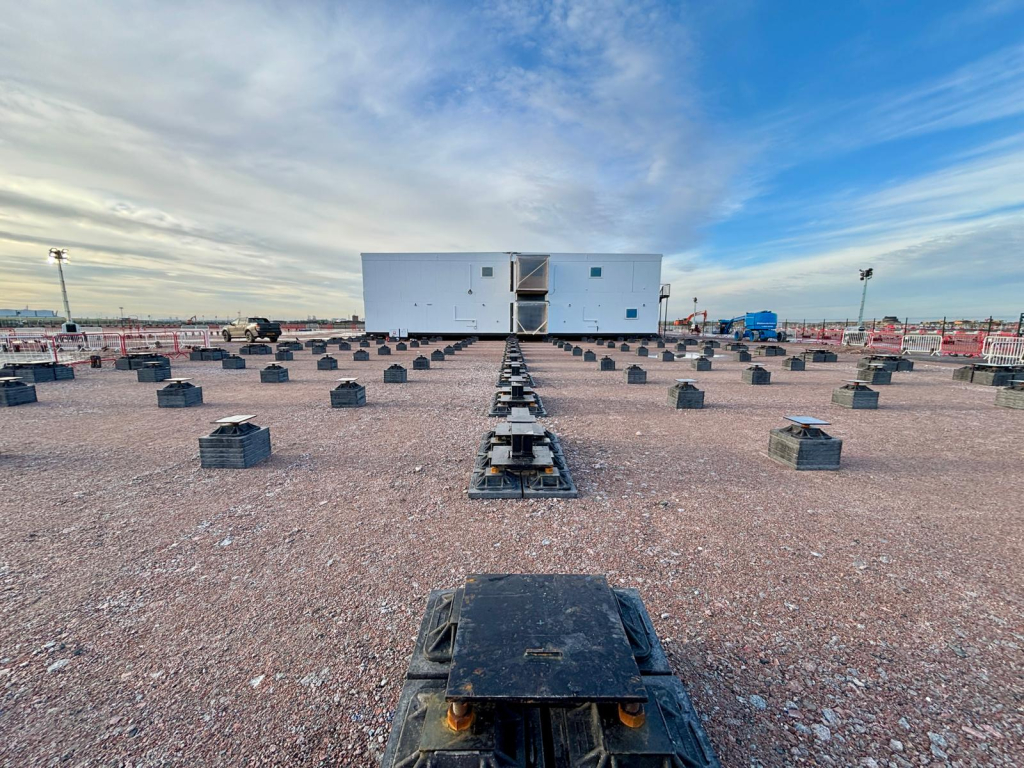
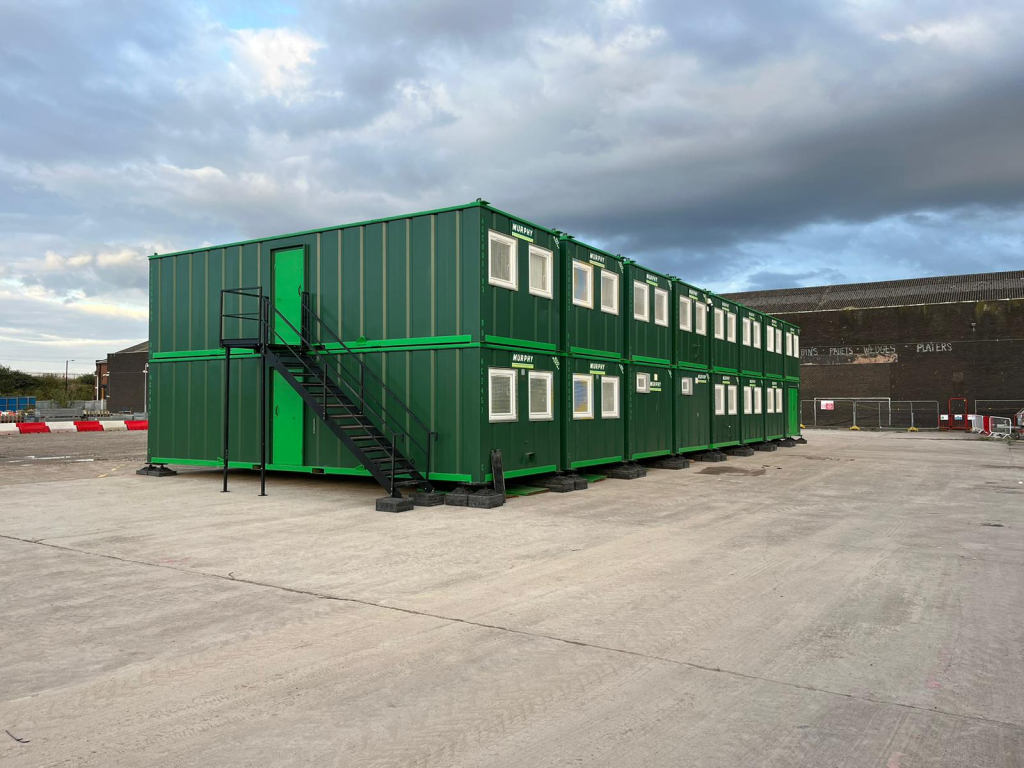
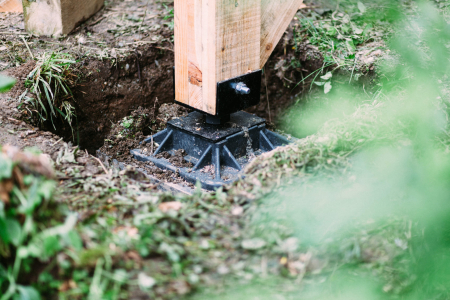
When green, non-invasive foundations, such as the Jackpad® portable foundation system for modular buildings, are LABC registered, it shows that products meet building regulations.
When a supplier and their products are LABC registered, it’s a sign that they are industry confident and are trusted by all local authorities. If the registered system is also sustainable while still meeting regulatory standards, even better; it can raise the profile of the company and speed up approval for projects thanks to the systems already being rigorously checked to approved standards.
2. Environmental Product Declarations (EPDs)
Concrete isn’t very eco-friendly. The cement industry is one of the main producers of carbon dioxide, just one of the reasons why greener alternatives are in demand. EPDs (Environmental Product Declarations) is a verified document stating a product’s environmental impact and carbon footprint across its entire lifecycle. This includes the raw materials it’s made from, the manufacturing process, transport, use and end of life.
If a foundation system is made from recyclable materials, manufactured in the UK to reduce carbon emissions, minimises waste on site and can be reused and further recycled at the end of its lifecycle, then it will have an excellent EPD rating. Our Jackpad® system ticks all these boxes.
EDPs also support credit scoring for other certificates like BREEAM, increases credibility and helps showcase products as a standout option when it comes to sustainability.
3. ISO 14001 (Environmental Management Systems)
The International Organisation for Standardisation sets standards for industries across the globe, and ISO 14001 is the recognised standard for environmental management systems (EMS). Businesses must implement an EMS and continually improve the design to enhance their environmental performance.
Companies that deal with green foundations must follow this standard and recognise their environmental impacts. By focusing on changes like reducing waste and optimising the use of resources, businesses can strengthen their reputation, support global markets and supply chains, and enhance their overall environmental performance.
4. BREEAM (Building Research Establishment Environmental Assessment Method)
Building Research Establishment Environmental Assessment Method, better known as BREEAM, is a green building certificate that is given when a focus has been put on resilience and the wellbeing of the building’s end user. This certificate is given by an independent BREEAM assessor, and they will assess all aspects of the build, including the foundations.
Projects and foundation systems will be given a score, which can be affected by EPDs, which ranges from Unclassified to Outstanding. If you’re a designer or developer and are looking for green alternatives to concrete foundations for your build, research projects that have been given Outstanding BREEAM scores. They will have likely used alternatives that demonstrate systems are sustainable across their full lifecycle. The 10 BREEAM categories assessed include:
- Land Use and Ecology
- Pollution
- Waste
- Energy
- Management
- Water
- Health and Wellbeing
- Materials
- Transport
- Innovation
Deciding on the right foundation system can affect the final score. So, choosing a system like Jackpad® that adheres to these categories will support net zero and sustainability goals, showcase the responsible use of materials and make a property more desirable for buyers and clients.
5. Circular Economy / Reusability Standards
Many of these certifications are given when foundations support a circular economy and promote reusability. Rather than disposal after the product’s lifecycle is over, people look for alternatives that can be reused or recycled.
A key principle here is longevity through reuse. When foundation systems can be removed and redeployed elsewhere, their environmental impact is spread across multiple projects rather than concentrated in a single-use lifecycle, like concrete. This directly contributes to reducing embodied carbon and overall project emissions.
Jackpad® foundation units align closely with these principles. They are designed to be fully reusable, leaving virtually no trace once removed. There’s no need for demolition, no excess materials sent to landfill and no costly reinstatement work. In a landscape where certifications increasingly reward circularity, solutions that prioritise reuse over disposal are becoming the benchmark.
Why Traditional Foundations Fall Short
Traditional concrete foundations vs alternatives have long been the default, but they come with significant environmental and practical drawbacks.
Concrete production is carbon-intensive, contributing heavily to global CO2 emissions. Once installed, concrete foundations permanently alter the ground, often requiring extensive remediation if removed. At the end of their lifecycle, they generate substantial demolition waste, adding both environmental and financial costs.
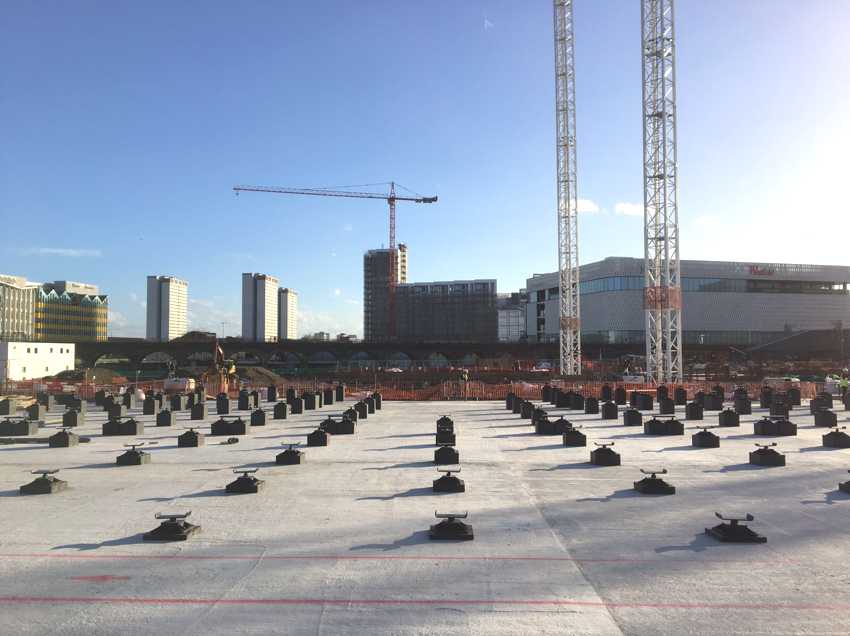
In contrast, Jackpad® offers a fundamentally different approach. Our reusable system eliminates the need for permanent groundworks, significantly reducing site disruption. Installation is faster and cleaner, with no curing time or heavy excavation required. When the project is complete, the units can simply be removed and reused elsewhere.
How Jackpad Aligns with Green Standards
Jackpad® is designed with modern sustainability standards in mind, supporting both compliance and innovation.
The system is LABC-approved, ensuring it meets recognised building control requirements. All units are manufactured in the UK using recycled plastic and is itself 100% recyclable at the end of its usable life. This closed-loop approach ensures zero contribution to landfill.
The Jackpad® system supports safe modular and relocatable building designs, an increasingly important factor in sustainable construction. By enabling structures to be moved and reused alongside their foundations, it reinforces a truly circular building model.
Standards Set the Benchmark – Innovation Sets the Future
Certifications and standards provide an essential baseline for sustainability, but they are only the starting point. True environmental performance goes beyond compliance.
The cost effective, green foundation systems today combine:
- Regulatory compliance
- Low embodied carbon
- Reusability across multiple projects
- Minimal impact on the surrounding site
This is where forward-thinging solutions stand apart. By embracing circular design and reducing reliance on traditional materials, construction can move toward a more sustainable future.
Now is the time to rethink foundation choices. If you’re specifying for your next project, consider alternatives to concrete that deliver both environmental and practical advantages. Jackpad® is the perfect alternative, green foundation for modular buildings to choose.
Discuss your modular project with our team to organise a site survey and purchase or hire of our Jackpad® systems. Call +44 (0) 116 286 6966, email enquiries@jackpad.co.uk or send us a message using our contact form.